
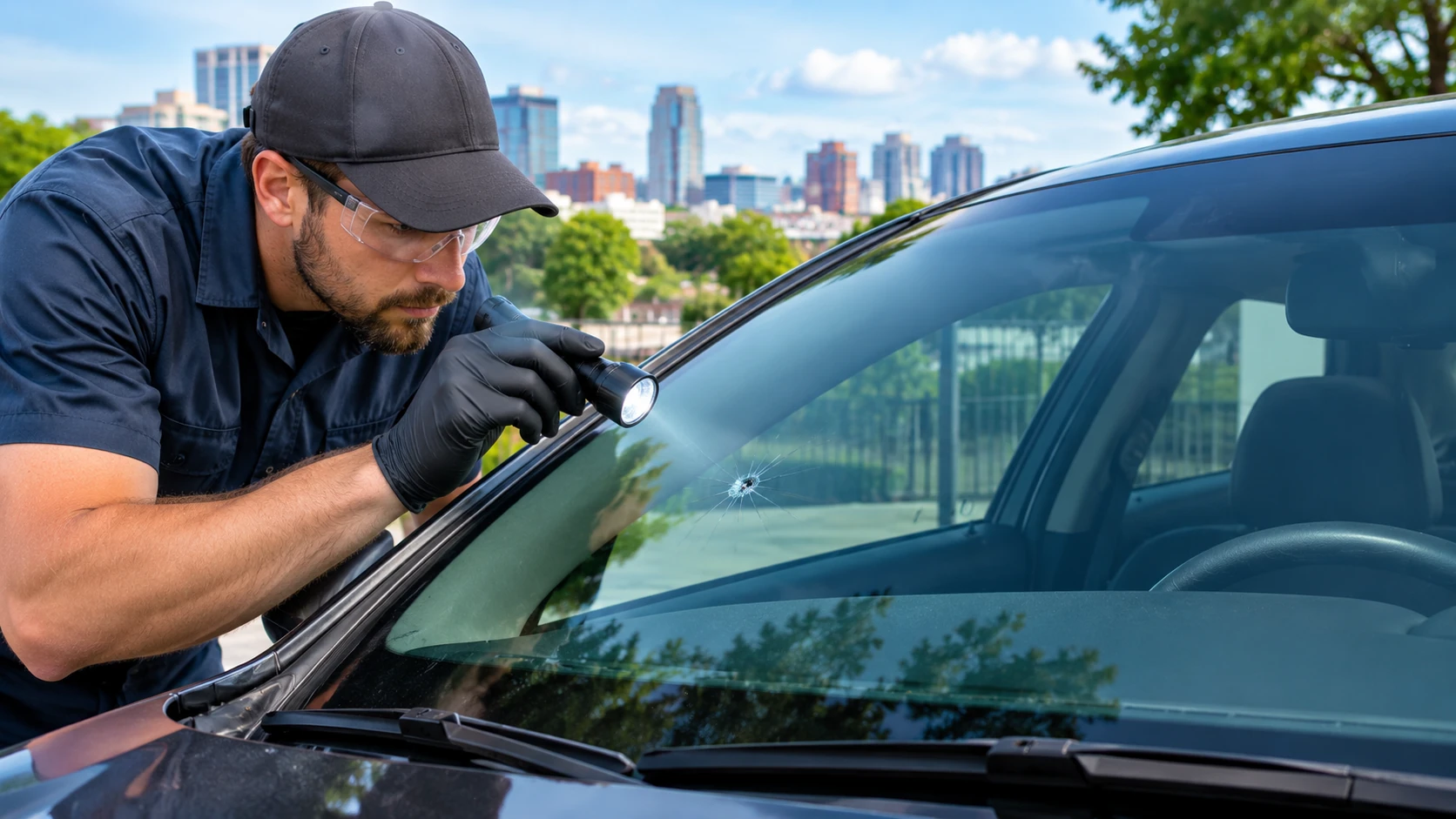
A small chip and a spreading crack are not the same problem. The right choice depends on where the damage is, how deep it goes, what features are built into your windshield, and whether a repair can preserve safe, clear visibility.
When comparing windshield repair vs replacement, most drivers want to know which option is safer, more practical, and less expensive. A minor stone chip may be repairable, while a long crack, edge damage, or a defect in the driver’s main viewing area may call for a new windshield. There is no single size rule that makes every damaged windshield repairable.
This guide is for drivers in Birmingham, Alabama who want to understand the difference before requesting an estimate. It explains how repair and replacement work, the damage factors a trained technician considers, what may affect cost and timing, and which questions to ask before approving work. It is educational information—not a remote diagnosis of a particular vehicle.
What Is the Difference Between Windshield Repair and Replacement?
Windshield repair addresses a limited area of damage in suitable laminated glass. A trained technician evaluates the break, prepares the damaged area, uses an appropriate resin-based repair system, cures the resin, and inspects the finished result. The goal is to improve the damaged area’s clarity, help prevent the damage from spreading, and retain the existing glass when the damage meets repair criteria.
Windshield replacement removes the damaged windshield and installs a new, vehicle-compatible glass part using the specified materials and procedures. Depending on the vehicle, the replacement may need to accommodate rain sensors, a forward-facing camera, a heads-up display, heating elements, a special acoustic layer, a particular tint, or other equipment.
Windshield Repair
- Targets a limited chip or crack rather than replacing the full pane.
- May retain the original windshield and its existing factory bond.
- Often takes less time and costs less than replacement.
- A slight cosmetic mark may remain after a successful repair.
Windshield Replacement
- Removes the damaged windshield and fits a compatible new one.
- May be recommended for damage that is too extensive or poorly located for repair.
- Can involve more parts, labour, adhesive curing time and checks.
- May require ADAS camera calibration when specified for the vehicle.
The Auto Glass Safety Council’s ANSI/AGSC/NWRD ROLAGS standard describes repair practices and limitations for laminated automotive glass. It emphasizes that both the location and condition of the damage matter. The standard is a professional reference, not a do-it-yourself checklist that can replace an inspection. Learn about the Auto Glass Safety Council.
When Can a Windshield Chip or Crack Be Repaired?
Repair may be considered when damage is limited, the laminated glass remains suitable for the procedure, and the repair can meet optical and performance requirements. A small bullseye, stone chip, or short crack away from critical viewing and feature areas may be a candidate—but appearance alone cannot confirm that.
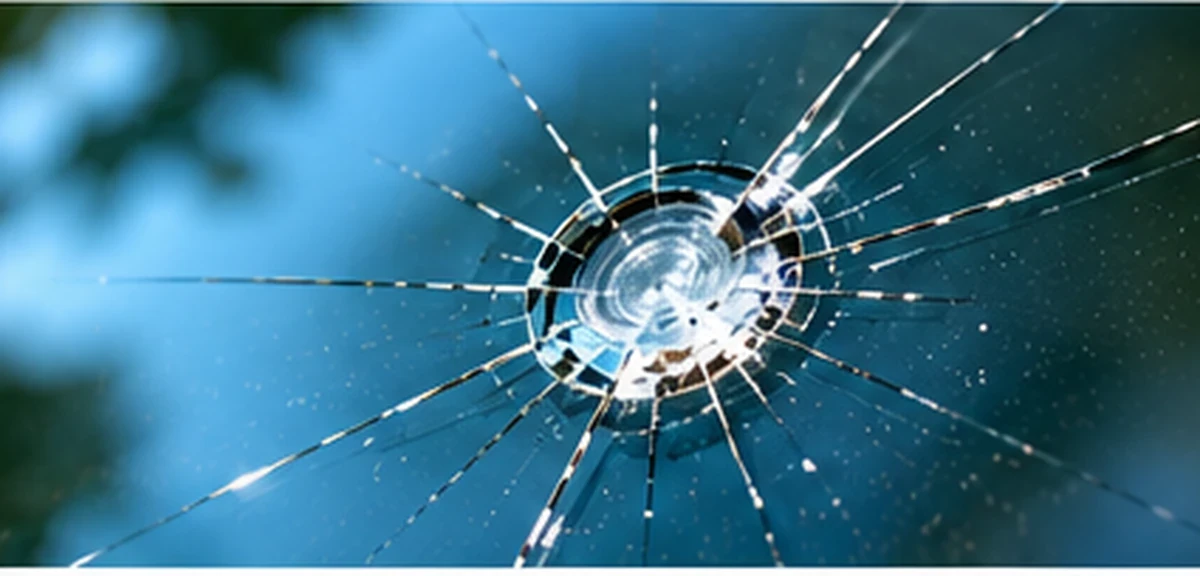
Signs That May Support a Repair Assessment
- Limited damage: The chip or crack is within the repair system and standard limits that apply to that damage type.
- Suitable location: The damage is not in a position where the repair could leave unacceptable distortion or interfere with the driver’s view.
- Outer-layer damage only: The break has not penetrated both glass layers or damaged the inside layer or plastic interlayer.
- Clean, stable damage: Dirt, moisture or contamination has not made a reliable repair impractical.
- No conflicting vehicle feature: The damage and repair process do not conflict with manufacturer guidance for sensors, cameras, HUD or other windshield features.
A resin repair is intended to improve the damaged area and restore appropriate performance; it does not replace the entire pane or promise that every mark will disappear. A faint outline or cosmetic blemish may remain. Ask the technician what appearance is realistic for the specific damage.
When Is Windshield Replacement More Likely to Be Needed?
Replacement may be recommended when the damage falls outside accepted repair criteria, affects the windshield’s performance, or cannot be repaired without creating an unacceptable optical or vehicle-operation issue. Some damage patterns are poor candidates even when the visible impact point looks small.
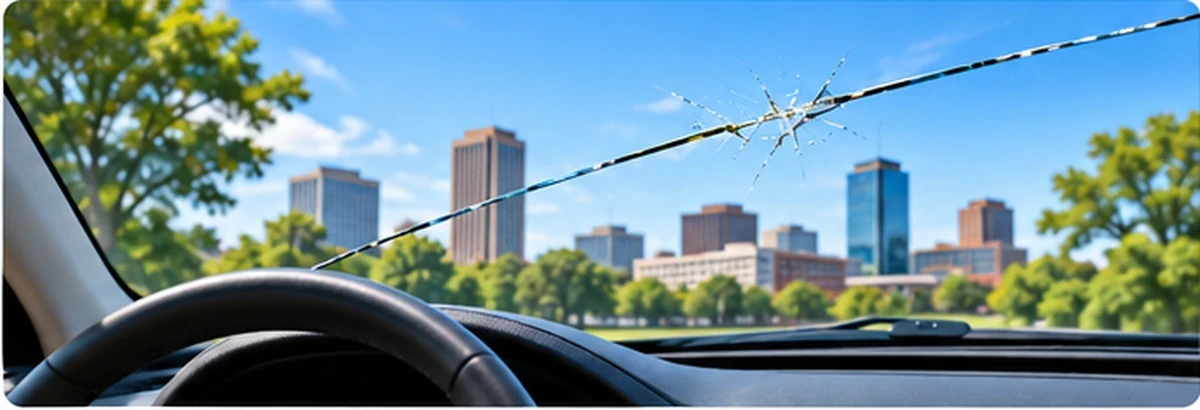
- Damage through both glass layers: The ROLAGS standard identifies penetration through both layers of laminated glass as a replacement condition.
- Inside-layer or interlayer damage: Damage to the inner lite or plastic interlayer can make repair unsuitable.
- Stress cracks: Cracks caused by stress rather than a repairable impact may require a different solution.
- Edge damage: Certain edge cracks—especially those intersecting more than one edge—are listed as repair limitations.
- Multiple long legs: Three or more long cracks coming from one impact point are a replacement condition in the standard.
- Driver-view concerns: Damage in the driver’s primary viewing area has specific restrictions because the finished repair must not create unacceptable optical defects.
- Feature or manufacturer restrictions: Damage near a camera, sensor, HUD or other value-added feature must be evaluated against the vehicle manufacturer’s instructions.
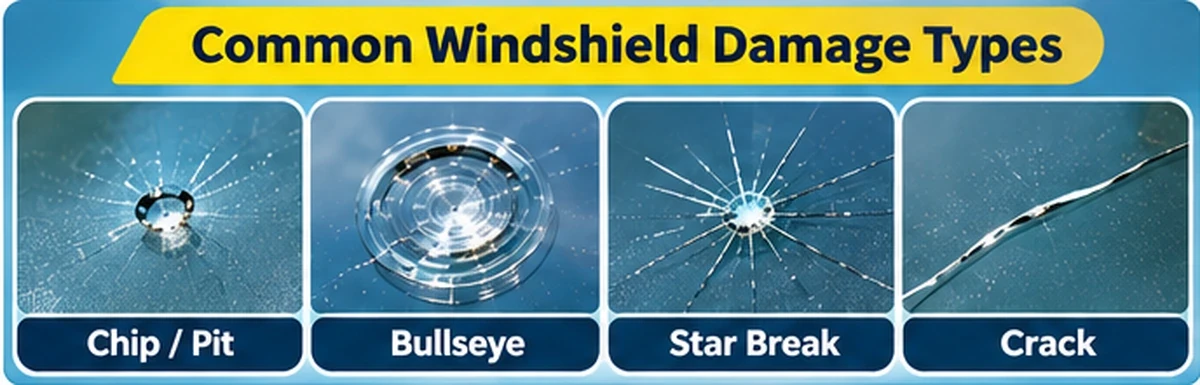
ROLAGS lists example dimensional limits for specific damage types, including a bullseye diameter no larger than 1 inch and a crack no longer than 14 inches. Those figures do not mean every bullseye under 1 inch or every crack under 14 inches should be repaired. The same standard lists location, layer, edge, contamination, feature and optical limitations. A qualified technician must apply the complete criteria to the actual windshield.
Review the ANSI/AGSC/NWRD ROLAGS standard (PDF)Six Factors That Help Decide Between Repair and Replacement
Type of Damage
A bullseye, star break, combination break, long crack and stress crack are not evaluated in exactly the same way. The damage pattern helps determine which criteria apply.
Size and Depth
Length and diameter matter, but depth matters too. A break that reaches both layers or the interlayer is different from a shallow, limited impact.
Location on the Glass
Damage near the edge, within the driver’s primary viewing area, or close to a camera or sensor may be subject to tighter restrictions.
Visibility and Distortion
A repair must not leave an unacceptable optical defect or interfere with the driver’s ability to see clearly. Ask what residual mark may remain.
Vehicle Features
Rain sensors, forward cameras, HUD, acoustic glass, heating elements and other options can affect part selection and post-replacement procedures.
Manufacturer and Standard Guidance
Applicable industry criteria and vehicle-specific service instructions should be checked before a repair or replacement is approved.
Can a Small Chip Turn Into a Larger Crack?
It can. Temperature changes, vibration, road impacts and stress in the glass may cause existing damage to spread. That does not mean every chip will become a long crack, but delaying an assessment can reduce the available repair options. A chip that appears minor today may look different after another impact or a sudden change in conditions.
Until the glass is assessed, avoid pressing on the damaged area or trying to inject household products into it. Do not use a DIY repair kit as a substitute for professional evaluation when the damage is in the driver’s view, reaches an edge, appears deep, or affects a vehicle feature. Take a clear photo for reference, but do not handle loose or sharp glass.
What Happens During a Professional Windshield Assessment?
- Vehicle and glass identification: The provider records the vehicle year, make, model and relevant options to understand the glass configuration.
- Damage inspection: The technician checks the impact pattern, size, location, depth, contamination and condition from the appropriate viewing angles.
- Repairability review: The technician applies relevant repair criteria and vehicle-manufacturer guidance rather than relying on a single size estimate.
- Option and estimate: You should receive an explanation of the recommended option, expected cosmetic result, parts and labour, and any additional procedures.
- Work and final checks: For a repair, the technician follows the repair system instructions and inspects the finished area. For replacement, the installer follows vehicle and adhesive procedures, checks fitment and related components, and arranges any required calibration.
Questions to Ask Before You Approve the Work
- What specific feature of the damage makes repair suitable or unsuitable?
- Does the damage enter the driver’s primary viewing area or reach the windshield edge?
- Will a repair leave a visible mark, and what result should I realistically expect?
- Does my vehicle need a particular glass specification, camera bracket, sensor or other feature?
- If replacement is recommended, is ADAS calibration required by the vehicle manufacturer?
- Does the estimate include mouldings, clips, disposal, taxes, calibration and any other applicable charges?
- What safe drive-away time applies after installation, based on the adhesive and vehicle procedure?
Is Windshield Repair Cheaper Than Replacement?
In many cases, repair costs less than replacing an entire windshield because it addresses a limited area and generally involves fewer parts and less labour. Replacement normally involves the new glass, removal and installation work, required materials, and sometimes additional components or calibration. However, there is no reliable one-price answer for every vehicle.
An estimate can vary with the vehicle’s year, make and model; glass type and availability; original-equipment or aftermarket specifications where appropriate; rain sensors or cameras; trim and mouldings; labour; mobile or travel arrangements if offered; taxes; and any required calibration. Ask for a written, itemized estimate for your exact vehicle.
Does Insurance Cover Windshield Repair or Replacement?
Coverage depends on your policy, deductible, the type of loss and your insurer’s claim requirements. Some policies may treat repair and replacement differently, and a deductible waiver should never be assumed. Before authorizing work, contact your insurer or review the policy documents to confirm whether the damage is covered, what deductible applies, whether pre-authorization is needed, and whether there are provider or documentation requirements.
For general background, GEICO’s windshield repair vs. replacement guide discusses common decision factors and notes that coverage depends on the policy. It is not a statement of what any particular Birmingham driver’s policy will pay.
What Should Birmingham, AL Drivers Do After Windshield Damage?
If you notice a chip or crack while driving around Birmingham, do not try to judge repairability from the outside alone. Note where the damage is, whether it is spreading, and whether it interferes with your view. When parked safely, take a photo from outside and, if possible, note the vehicle’s year, make, model and windshield features.
Request an assessment from a qualified auto-glass professional and explain whether the crack reaches an edge, sits in front of the driver, or appears to involve a camera or sensor. If the damage blocks your view, glass is loose, or you are uncertain whether the vehicle is safe to operate, avoid driving and arrange suitable assistance.
For service information, compare the relevant Windshield Repair, Windshield Replacement, and Windshield Chip & Crack Repair pages. Actual service coverage, provider availability, appointment options and capabilities should be confirmed for your location and vehicle.
Repair vs. Replacement: A Simple Decision Checklist
Ask Whether Repair Is Suitable
- The damage is limited and appears to be in one glass layer.
- It is outside restricted areas and does not conflict with vehicle features.
- The technician confirms it meets applicable repair criteria.
- The expected optical result is acceptable for safe vehicle operation.
Ask Whether Replacement Is Needed
- The damage is deep, spreading, stress-related or reaches the edge.
- Both laminated layers or the interlayer are affected.
- It creates a visibility or optical concern that repair cannot resolve.
- Vehicle or industry criteria rule out repair.
This checklist is a conversation aid, not a repair approval tool. Only an appropriate inspection can determine the right option for a particular windshield.
Frequently Asked Questions
Is it better to repair or replace a windshield?
Neither option is automatically better for every case. Repair may be appropriate for limited damage that meets the relevant criteria. Replacement may be needed when damage affects multiple layers, restricted locations, visibility, vehicle features or safe operation. A qualified technician should inspect the glass.
What size windshield chip can be repaired?
There is no single size threshold that applies to every damage type and location. The ANSI/AGSC/NWRD ROLAGS standard lists dimensional criteria for certain chips and cracks, but also includes restrictions for edge damage, the driver’s primary viewing area, multiple cracks, contamination, glass layers and vehicle features.
Can a long windshield crack be repaired?
Some standards include maximum dimensions for particular crack types, but a crack’s length alone does not determine whether repair is appropriate. Location, depth, edge involvement, contamination and manufacturer instructions also matter. Have the full damage assessed before choosing.
Will a windshield repair leave a mark?
It may. A successful repair can improve clarity and help stabilize suitable damage, but a faint outline or cosmetic blemish may remain. Ask the technician what appearance is realistic for the specific impact.
Should a windshield be replaced if the crack reaches the edge?
Edge cracks can be a serious repair limitation. The ROLAGS standard identifies certain edge-crack patterns as replacement conditions. The technician should inspect the damage and apply the complete criteria to the vehicle.
Does insurance pay for windshield repair or replacement?
It depends on the policy, deductible, cause of damage and insurer requirements. Confirm coverage and any deductible or provider rules directly with your insurer before authorizing work.
Is windshield repair usually less expensive?
Often, yes, because repair typically uses fewer parts and less labour than replacing the full windshield. The actual estimate depends on the vehicle, damage, glass features, labour and any additional procedures.
How long does windshield repair or replacement take?
Repair is generally quicker than full replacement, but timing varies by damage and repair system. Replacement timing depends on parts, vehicle design, installation steps, adhesive safe drive-away time and any required ADAS calibration. Ask for vehicle-specific timing.
Can I drive with a cracked windshield in Birmingham, AL?
Do not drive if the crack blocks or distorts your view, the glass appears unstable, or the damage creates another immediate hazard. Arrange a professional assessment and safe transportation when needed. For less obvious damage, get prompt guidance rather than assuming it is safe.
Not Sure Whether Your Windshield Needs Repair or Replacement?
Prepare your vehicle year, make and model, describe where the damage is located, and share a clear photo when requesting information. Ask for an explanation of the repair criteria, expected result, complete estimate and any vehicle-specific calibration or safe drive-away requirements.
Service area, provider availability, pricing and capabilities must be confirmed for the specific vehicle and location.